

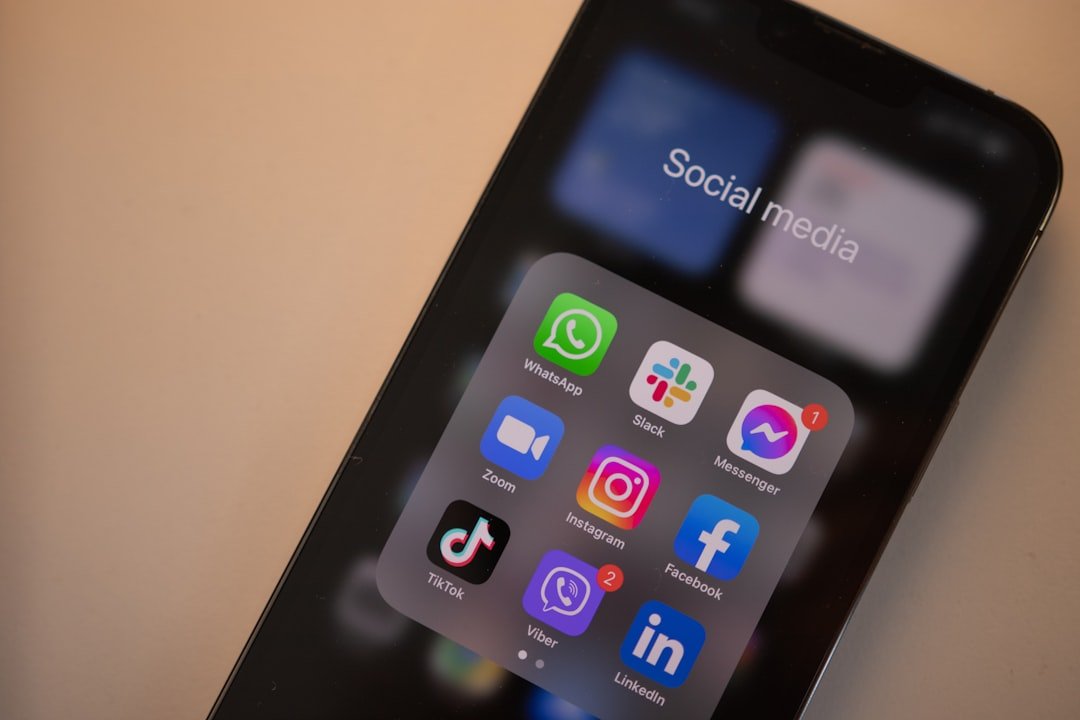
Social media platforms have become integral to modern marketing efforts, offering businesses a direct channel to engage with consumers, build brand awareness, and drive sales. Navigating this dynamic landscape requires strategic planning and execution. This article outlines key social media strategies for maximizing marketing impact, focusing on actionable insights and measurable outcomes.
The digital space is not a static billboard; it’s a vibrant, ever-shifting marketplace. To succeed, marketers must understand the currents and tides of social platforms, adapting their approach to resonate with online audiences. This involves more than just maintaining a presence; it’s about cultivating meaningful interactions and delivering value.
Understanding the Social Media Ecosystem
The social media landscape is diverse, with each platform possessing unique characteristics and user bases. A successful strategy begins with comprehending this ecosystem and identifying where your target audience congregates.
Platform Selection and Segmentation
The first step is to conduct thorough market research to identify the platforms most frequented by your ideal customer. This is akin to choosing the right fishing spot; you wouldn’t cast your line into barren waters. Different platforms cater to distinct demographics, interests, and content consumption habits.
Demographic Alignment
- Facebook: Remains a broad platform with a diverse user base, often suitable for general brand awareness campaigns and community building. Its extensive advertising tools allow for granular demographic targeting.
- Instagram: Primarily visual, it appeals to younger demographics and industries where aesthetics are paramount, such as fashion, food, and travel. High-quality imagery and video are key.
- Twitter (X): Characterized by its real-time nature and brevity, it’s ideal for news dissemination, customer service, and live event coverage. It fosters immediacy and conversational engagement.
- LinkedIn: A professional networking platform, it’s best suited for business-to-business (B2B) marketing, talent acquisition, and thought leadership. Content here should be informative and industry-specific.
- TikTok: Dominates short-form video content, appealing to Gen Z and younger millennials. It thrives on trends, creativity, and entertainment-driven engagement.
- YouTube: The go-to platform for long-form video content, tutorials, product reviews, and in-depth storytelling. It offers significant reach and opportunities for organic discovery through search.
- Pinterest: A visual discovery engine, it’s popular for inspiration and planning, particularly in sectors like home décor, fashion, recipes, and DIY.
Content Format Suitability
Consider the type of content you can realistically produce and what best aligns with each platform’s format. A brand strong in visual storytelling might prioritize Instagram and Pinterest, while one specializing in industry analysis might focus on LinkedIn and YouTube.
Competitor Analysis
Observe what your competitors are doing on social media. Identify their successes and failures. This provides valuable insights into what resonates with your shared target audience and opportunities for differentiation.
Setting Clear Objectives
Before embarking on any social media initiative, clearly define what you aim to achieve. Generic goals like “increase social media presence” are insufficient. Objectives should be SMART: Specific, Measurable, Achievable, Relevant, and Time-bound.
Brand Awareness
- Objectives could include increasing follower count by a specific percentage within a quarter, achieving a certain number of impressions per post, or growing mentions of the brand name.
Customer Engagement
- Metrics such as likes, shares, comments, direct messages, and click-through rates on posts can measure engagement. The goal might be to increase the average engagement rate per post or respond to customer inquiries within a set timeframe.
Lead Generation and Sales
- Tracking website traffic originating from social media, conversion rates on landing pages linked from social posts, and direct sales attributed to social media campaigns are crucial.
Customer Service and Support
- Reducing response times to customer queries on social media, increasing customer satisfaction scores related to social support, or resolving a specific number of issues through social channels.
In today’s digital landscape, social media has become an essential tool for marketers looking to engage their audience effectively. A related article that delves into the nuances of capturing attention on platforms like Facebook is titled “Interruption Marketing: How to Command Attention on Facebook.” This insightful piece explores strategies that can help brands stand out in a crowded feed, making it a valuable resource for anyone interested in enhancing their social media marketing efforts. You can read the article here: Interruption Marketing: How to Command Attention on Facebook.
Crafting Compelling Content
Content is the currency of social media. To capture attention and foster engagement, your content must be relevant, valuable, and well-executed.
Understanding Your Audience’s Needs and Interests
Effective content is rooted in a deep understanding of the target audience. Go beyond basic demographics; delve into their aspirations, pain points, and daily routines. What information are they seeking? What problems can you solve for them?
User-Generated Content (UGC)
Encourage your audience to create content related to your brand. This can include reviews, testimonials, photos, or videos. UGC builds trust and authenticity, serving as powerful social proof. Running contests or campaigns that incentivize UGC can be highly effective.
Educational and Informative Content
Position your brand as a resource by providing valuable information. This could include industry insights, how-to guides, explainer videos, or answers to frequently asked questions. This builds authority and establishes your brand as a thought leader.
Entertaining and Engaging Content
Not all content needs to be educational. Humorous posts, behind-the-scenes glimpses, or trend-jacking can significantly boost engagement. The key is to maintain brand consistency while injecting personality.
Content Formats and Optimization
The choice of content format should align with the platform and the message you wish to convey.
Visual Storytelling
- Images: High-quality, professionally shot images are essential for platforms like Instagram and Pinterest. Images should be visually appealing and evoke emotion or convey information quickly.
- Videos: Short-form videos (e.g., TikTok, Reels) are highly engaging. Longer-form videos on YouTube allow for greater depth and narrative development. Consider different video types such as tutorials, interviews, behind-the-scenes, and product demonstrations.
- Infographics: Complex data or information can be effectively communicated through visually appealing infographics, making them shareable and easy to digest.
Written Content
- Captions and Posts: Craft concise, compelling copy that encourages interaction. Use clear calls to action. For platforms like LinkedIn, longer, more in-depth posts can be effective for thought leadership.
- Blog Integration: Leverage social media to drive traffic to your blog, where you can host more extensive content and capture leads.
Live Content
- Live Streams: Platforms like Facebook, Instagram, and YouTube offer live streaming capabilities. This allows for real-time interaction with your audience, Q&A sessions, product launches, or event coverage, fostering a sense of immediacy and intimacy.
Maintaining Brand Voice and Consistency
Your brand voice is your personality on social media. It dictates the tone, style, and language you use. Consistency across all platforms is crucial for building a recognizable and trustworthy brand identity.
Driving Engagement and Community Building
Social media is a two-way street. Merely broadcasting messages is rarely effective; active engagement and community building are vital for long-term success.
Active Listening and Responding
Monitor social media conversations related to your brand, industry, and competitors. Respond promptly and thoughtfully to comments, questions, and mentions. This shows you value your audience and are present.
Customer Service as a Marketing Opportunity
Treat customer service interactions on social media not as a burden, but as an opportunity to showcase your commitment to customer satisfaction. Publicly addressing and resolving issues can build goodwill and attract new customers.
Proactive Engagement
Don’t wait for customers to come to you. Actively participate in relevant conversations, offer insights, and engage with users who mention your brand or industry.
Fostering Dialogue and Interaction
Encourage conversations by asking questions, running polls, and creating interactive content. The goal is to move beyond passive consumption and turn your audience into active participants.
Q&A Sessions and AMAs (Ask Me Anything)
Host regular Q&A sessions or AMAs with experts within your company or industry. This provides direct access to valuable information and builds a sense of community.
Contests and Giveaways
Contests and giveaways are excellent tools for driving engagement, increasing follower counts, and generating excitement. Ensure that the mechanics of the contest are clear and align with your marketing objectives.
Building Brand Loyalty
By consistently providing value, engaging in meaningful conversations, and fostering a sense of community, you can cultivate brand loyalty. Loyal customers become advocates, spreading positive word-of-mouth both online and offline.
Leveraging Social Media Advertising
Organic reach on social media has declined for many businesses. Paid advertising offers a powerful way to amplify your message and reach a wider, more targeted audience.
Defining Advertising Objectives and Budget
As with organic efforts, clear objectives are paramount for social media advertising. Are you aiming for brand awareness, website traffic, lead generation, or direct sales? Your budget will dictate the scale and scope of your campaigns.
Campaign Goals
- Awareness: Reaching a broad audience to introduce your brand or products.
- Consideration: Driving traffic to your website, encouraging engagement with your content, or promoting app downloads.
- Conversion: Generating leads, making sales, or encouraging specific actions on your website.
Budget Allocation
- Allocate your budget strategically across different platforms and campaign objectives based on performance and ROI. Start with smaller, test campaigns to gauge effectiveness before scaling up.
Targeted Advertising and Audience Segmentation
Social media platforms offer robust targeting capabilities, allowing you to reach specific demographics, interests, behaviors, and even existing customer lists.
Demographic Targeting
- Specify age, gender, location, language, and education level.
Interest and Behavior Targeting
- Target users based on their stated interests, online activities, purchase history, and engagement with specific types of content or pages.
Custom Audiences and Lookalike Audiences
- Custom Audiences: Upload your existing customer lists (e.g., email subscribers, website visitors) to target them directly or exclude them from certain campaigns.
- Lookalike Audiences: Create audiences that share characteristics with your existing customers or website visitors, expanding your reach to similar potential customers.
Ad Formats and Creative Development
The creative execution of your ads is critical to their success. Different ad formats exist, and each requires tailored creative.
Image Ads
- Visually striking images that clearly communicate your message.
Video Ads
- Short, attention-grabbing videos that tell a story or highlight product benefits.
Carousel Ads
- Allow you to showcase multiple products or features in a single ad unit.
Story Ads
- Vertical, full-screen ads designed for mobile consumption in platforms’ story features.
Lead Generation Ads
- Designed to capture user information directly within the platform, reducing friction for lead submission.
In today’s digital landscape, social media has become an essential tool for businesses looking to enhance their marketing strategies. By leveraging platforms like Instagram and Facebook, companies can engage with their audience in real-time and create a community around their brand. For instance, a recent article discusses how hardware stores and garden centers can effectively utilize social media to transform their customer interactions and drive sales. You can read more about these innovative strategies in this insightful piece on transforming your hardware store and garden center with social media.
Measuring and Analyzing Performance
The true impact of your social media efforts can only be understood through diligent measurement and analysis. Data provides the intelligence to refine your strategies and optimize your investments.
Key Performance Indicators (KPIs)
Identify the metrics that directly align with your pre-defined objectives. These will form the basis of your performance evaluation.
Reach and Impressions
- Reach: The number of unique users who saw your content.
- Impressions: The total number of times your content was displayed. (Note: One user can see content multiple times, resulting in more impressions than reach).
Engagement Metrics
- Likes, Shares, Comments: Direct indicators of audience interaction.
- Click-Through Rate (CTR): The percentage of users who clicked on a link in your post.
- Engagement Rate: The percentage of your audience that interacted with your content. This can be calculated in various ways (e.g., total engagements divided by reach, or total engagements divided by followers).
Conversion Metrics
- Website Traffic: The number of visitors to your website originating from social media.
- Conversion Rate: The percentage of website visitors from social media who complete a desired action (e.g., purchase, form submission).
- Cost Per Acquisition (CPA) or Cost Per Lead (CPL): The average cost of acquiring a customer or lead through social media advertising.
Social Media Analytics Tools
Utilize the native analytics provided by social media platforms as well as third-party tools for comprehensive data analysis.
Native Platform Analytics
- Facebook Insights, Instagram Insights, Twitter Analytics, LinkedIn Analytics, TikTok Analytics, YouTube Analytics: These provide foundational data on audience demographics, post performance, and engagement.
Third-Party Analytics Tools
- Google Analytics: Essential for tracking website traffic, user behavior, and conversion rates originating from social media.
- Hootsuite, Buffer, Sprout Social: Offer more advanced features for social media management, monitoring, scheduling, and unified reporting across multiple platforms.
- Brandwatch, Sprinklr: Ideal for in-depth social listening, sentiment analysis, and competitive intelligence.
Iterative Strategy Refinement
Social media is not a set-it-and-forget-it channel. Regularly review your data, identify trends, and use these insights to inform future strategy.
A/B Testing
- Experiment with different content formats, ad creatives, targeting options, and calls to action to determine which variations perform best.
Audience Segmentation Performance
- Analyze how different audience segments respond to your content and advertising. This allows for more personalized and effective targeting.
Content Performance Analysis
- Identify your top-performing content types and themes. Replicate successful strategies while learning from underperforming content.
By treating social media as a dynamic and data-driven landscape, businesses can move beyond simply being present and instead strategically maximize their marketing impact, fostering genuine connections and achieving measurable results.